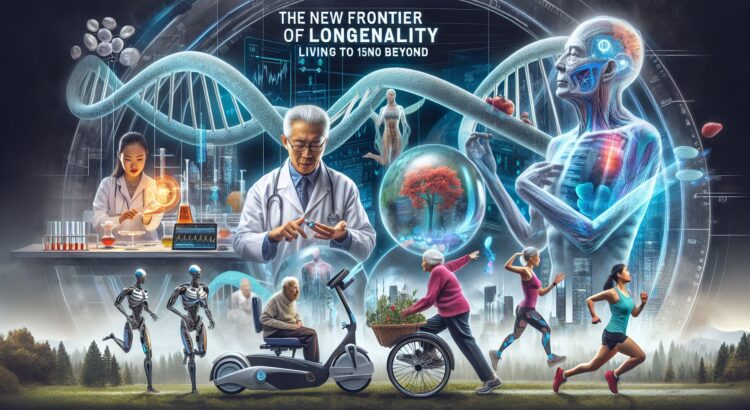
Hey tech enthusiasts, dreamers, and fellow futurists! Today we’re diving into a topic that feels like it’s been ripped straight out of a sci-fi novel — longevity. Yep, we’re talking about humanity’s quest to extend our lifespan, not just a few years, but by decades, maybe even to the mind-boggling age of 150. Sound crazy? Hang tight, because I’m about to take you on a journey through the latest breakthroughs, a look ahead into our future world of centenarian communities, and what life might just look like when you’re blowing out 150 candles.
The Science of Aging: A Quick Primer
Before we leap into what’s new, let me set the stage with a quick primer on the science of aging. At its core, aging is the gradual deterioration of function at the cellular level across our body. For years, the gritty details of this process were like a puzzle with missing pieces. But researchers are starting to crack this code like never before!
Scientists have identified cellular processes like telomere shortening, DNA damage, and the accumulation of zombie-like senescent cells that drive aging. And guess what? They’re not just documenting the inevitable. They’re actively working on ways to reverse or slow down these processes.
The biotech industry is exploding with innovation right now. Companies like Calico (Google’s longevity spinoff) and Altos Labs are throwing serious money at this problem and using AI to speed up research. It’s an all-out race, and everyone wants to win.
The Latest Breakthroughs: What’s Cooking?
Now, let me walk you through some of the most exciting advancements happening right now.
Telomeres: The Timekeepers of Our Cells
Telomeres are those little caps on the ends of our DNA strands that shorten as we age. They’re getting famous in the longevity industry. Think of them as those twisty ties on bread, sealing in the freshness. Teams like the ones at Stanford are working on ways to lengthen these telomeres using a modified type of RNA. Early findings already show promise in rejuvenating human cells. While it’s not yet a commercialized therapy, the potential is huge.
Senescent Cells: Zombie Attack!
Now let’s tackle those “zombie” cells. Yes, I’m using the Z-word, but these cells are the troublemakers that stop dividing but refuse to die, causing inflammation and chaos in our bodies. The quest to eliminate these cells using senolytics is heating up fast. Unity Biotechnology is one contender in this space, targeting age-related diseases that might be caused by these cellular zombies.
Mitochondrial Manipulation: The Powerhouses
Everyone’s heard of mitochondria — the cell’s powerhouse. But did you know they play a sneaky role in aging? Researchers are figuring out how to tweak mitochondrial function to delay aging. The science here is complex, but the basic idea is simple: fix the power source, fix the aging.
The Upside: Living Longer and Better
Alright, so let’s say all this fantastic science comes to fruition. What might our lives look like if we all suddenly start receiving birthday cards from great-great-grandkids? It’s not just about extending life. It’s about enhancing health — the holy grail of longevity research.
Imagine reaching triple digits without dealing with the typical age-related health decline. You’re living life to the fullest, racking up those frequent flyer miles, maybe even skydiving at 110 (with a chute packed by a carefully vetted drone, naturally). This seems almost in reach, with progress not just curing age-related diseases, but truly making aging itself a more graceful experience.
Ethical Considerations: Pandora’s Box?
But before we all jump onto the 150-year train, let’s play devil’s advocate for a moment. What happens when we all start living much longer lives? What about the societal and ethical implications? Thankfully, smart minds are thinking about this too.
Overpopulation and Resource Allocation
Think Earth can handle a surge in population if nobody checks out? We’ll need serious upgrades to our resources and maybe technological solutions like vertical farming or space travel to set up that Martian colony Elon Musk has been tweeting about.
Economic Impacts
Living longer could completely reshape our economy. The structure of retirement, insurance, and even employment will change. Picture an 80-year-old intern finally taking on their dream startup position. Weird but full of possibilities.
Accessibility and Health Inequality
And of course, how can we make sure longevity treatment isn’t just a privilege of the ultra-rich? Accessibility beyond wealth barriers is crucial. Without it, we risk making existing health disparities even worse.
The Future: Our Speculative Horizon
So, if you peer into my crystal ball, what might our future actually hold in this new era of longevity?
In a perfect world, these technologies will democratize health, making quality of life a universal right. The challenges may seem daunting, but the relentless pursuit of knowledge and the dedication of innovators across the globe give me hope. I look forward to one day raising a glass (of nutrient-engineered, life-extending cocktail, of course) at my 150th birthday bash, clinking with fellow centenarians across miles of interconnected wisdom and laughter.
So be optimistically cautious, support your local scientists, and keep your mind open to what’s coming. After all, we’re paving roads to a future where “old” is a moving target, and life might be fuller and richer than we’ve ever known.
Catch you tomorrow with yet another marvel in our techno-utopian escapades! 🍀