Separating Science Fiction from Scientific Reality
People’s ideas about brain-computer interfaces swing wildly between dystopian nightmares of mind control and sci-fi dreams of telepathic communication. Both miss the mark on where this technology actually is right now. Sure, recent headlines about paralyzed people controlling computer cursors with their thoughts are real breakthroughs. But they also spread some pretty big misconceptions about what these devices can actually do and how they work.
These misconceptions stick around partly because of how neurotechnology companies market their achievements, and partly because we naturally want to see human-like qualities in complex systems. When we hear about “reading minds” or “downloading thoughts,” we picture these devices accessing our inner voice or private memories like flipping through pages in a book. What’s really happening is much more limited. The technology decodes specific neural patterns tied to intended movements or speech, not the full complexity of human consciousness.
To understand what brain-computer interfaces actually do, you need to get both their impressive abilities and their major limitations. These systems are pretty good at turning certain types of brain activity into digital commands. But they’re nowhere close to the smooth mind-machine connection you see in movies. The gap between what people think they can do and reality matters a lot for patients, investors, and everyone else trying to make sense of this emerging technology.
The Current State of Implantable Neural Interfaces
Recent clinical trials have shown some real breakthroughs in helping paralyzed people regain digital control through direct neural signals. One well-known example involves a participant controlling a computer cursor just by thinking about it. This represents years of engineering work and advances in processing neural signals. Making this happen required surgically placing electrodes near motor cortex areas and training machine learning algorithms to interpret the specific patterns of brain activity tied to intended movements.
But the race to hit these milestones shows important differences between various tech approaches. While some companies go for high-profile surgical implants, others reached human trials earlier using less invasive methods. One stent-based system got to human testing about eighteen months before more publicized competitors. This shows that innovation in this field follows multiple tracks, not just one tech path.
These implantable systems face big challenges beyond their initial demos. We still don’t know about long-term biocompatibility, since brain tissue can form scar tissue around foreign objects over months or years. Signal quality often gets worse over time, requiring either replacement surgeries or increasingly complex algorithms to maintain performance. The Nature Neuroscience journal regularly publishes research tackling these durability problems, showing ongoing efforts to develop more stable neural interfaces.
Maybe most importantly, current implantable systems require extensive training periods for both the user and the machine learning algorithms. Participants typically spend weeks or months learning to change their brain activity in ways the computer can reliably detect. This process feels more like learning a new language than simply turning on a built-in ability. That’s pretty different from the plug-and-play neural interfaces people imagine.
Non-Invasive Alternatives and Their Growing Sophistication
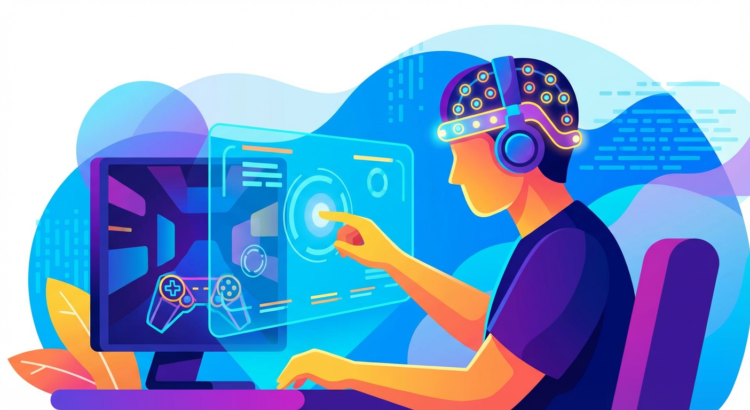
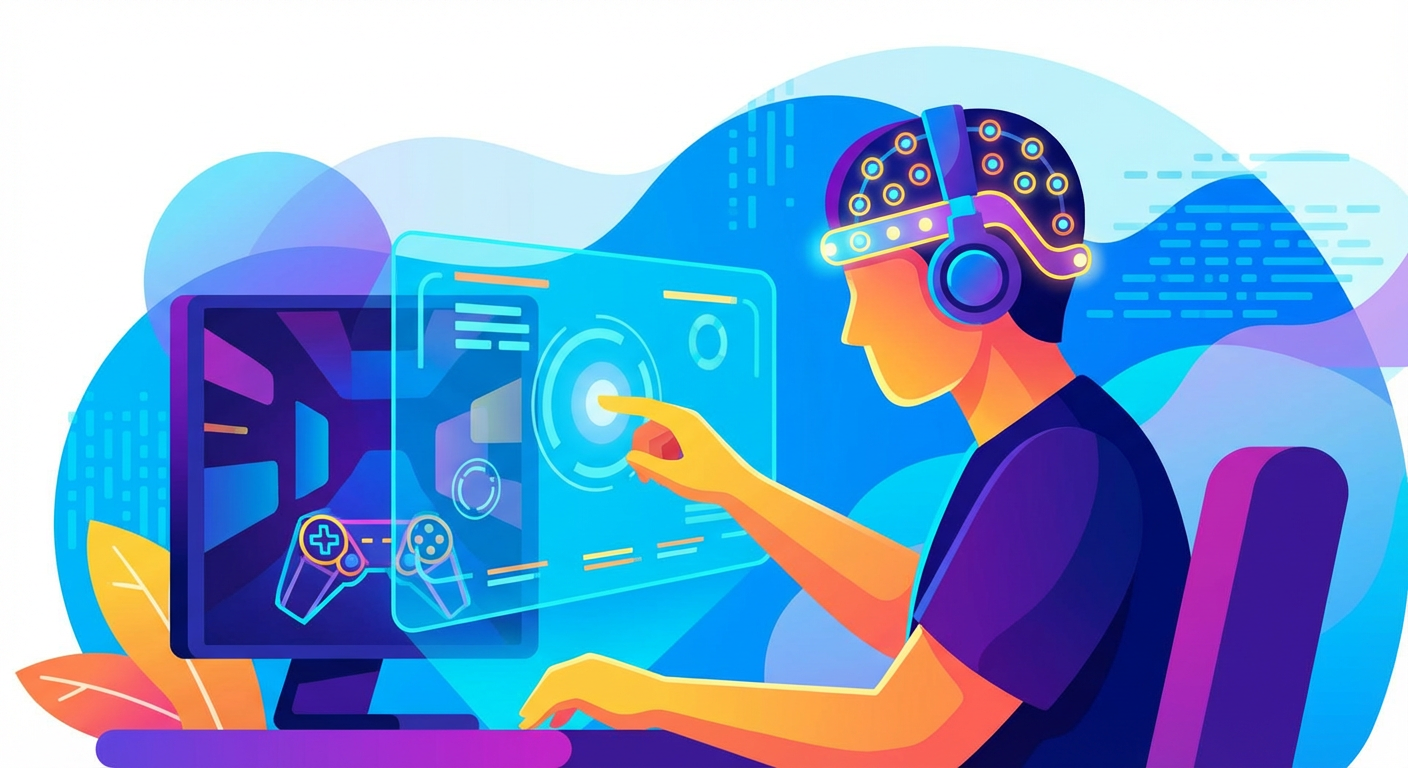
While implantable devices get media attention, non-invasive brain-computer interfaces have quietly become commercially viable products with real usefulness. Modern consumer-grade systems now have thirty-two or more detection channels, enabling applications from meditation training to basic computer control. These headset-based devices detect electrical activity through the skull rather than requiring surgery, making them available to more people despite lower signal quality.
The gaming industry has adopted these non-invasive systems as alternative input methods, letting users control certain game elements through focused attention or relaxation states. While much less precise than implanted electrodes, these devices show that useful brain-computer interaction doesn’t need surgery. Their development path suggests that non-invasive systems may eventually achieve capabilities currently limited to implanted devices, though basic physics will likely maintain some performance gap.
Commercial headset systems also work as testing grounds for neural interface concepts before more invasive versions. Researchers use these platforms to refine signal processing algorithms, explore new applications, and train users in neural control techniques. This step-by-step development process helps identify which neural interface concepts justify the risks and costs of surgery versus staying in non-invasive formats.
Communication and Memory Enhancement Applications
Beyond motor control, researchers have made remarkable progress in neural speech decoding and memory boost applications. Clinical trials with paralyzed participants have shown systems capable of decoding intended speech at rates approaching eighty words per minute, enabling fluid conversation for people who cannot physically speak. These systems analyze brain activity in speech-related brain regions and translate detected patterns into text or synthesized audio output.
Memory enhancement research has produced similarly encouraging results, with experimental devices showing roughly thirty percent improvements in recall performance during controlled testing. These memory prosthetics work by detecting neural patterns tied to successful memory encoding and providing precisely timed electrical stimulation to boost those natural processes. Rather than storing memories directly, these systems amplify the brain’s existing memory formation mechanisms.
However, both speech decoding and memory enhancement applications remain highly experimental and limited in scope. Speech systems typically require extensive training with individual users and work best with predetermined vocabulary sets rather than open conversation. Memory devices enhance specific types of recall tasks under lab conditions but haven’t shown broad cognitive improvement in real-world settings. Resources like IEEE Spectrum brain-computer interfaces provide ongoing coverage of these developing applications and their current limitations.
Regulatory Challenges and Future Pathways
The regulatory landscape for brain-computer interfaces is still fragmented and changing, creating uncertainty for both developers and patients. Traditional medical device approval processes were designed for more conventional implants and treatments, not for devices that blur the lines between medical treatment and human enhancement. Regulatory agencies across different regions are developing new frameworks to address unique safety and effectiveness questions raised by neural interfaces.
The distinction between therapeutic and enhancement applications makes regulatory approaches much more complicated. While devices helping paralyzed patients control computers clearly fall under medical treatment categories, systems that might enhance normal cognitive function sit in unclear regulatory territory. This uncertainty affects research funding, clinical trial design, and ultimately the timeline for bringing various neural interface applications to market.
International coordination on neural interface regulations is still limited, potentially creating different approval pathways that could split up the global development effort. Some regions may embrace more permissive approaches to human enhancement applications while others maintain stricter therapeutic focus. These regulatory differences will likely influence where research and development activities concentrate and how quickly various applications become available to patients and consumers.
Brain-computer interfaces sit at an interesting crossroads of real scientific achievement and ongoing public misconception. While current systems show remarkable capabilities in controlled settings, they’re still far from the smooth mind-machine connection often shown in popular media. Understanding these details helps us appreciate both the real progress being made and the substantial challenges that remain. As this technology keeps evolving, maintaining clear distinctions between proven capabilities and speculative possibilities will be important for informed public discussion about our neural future.