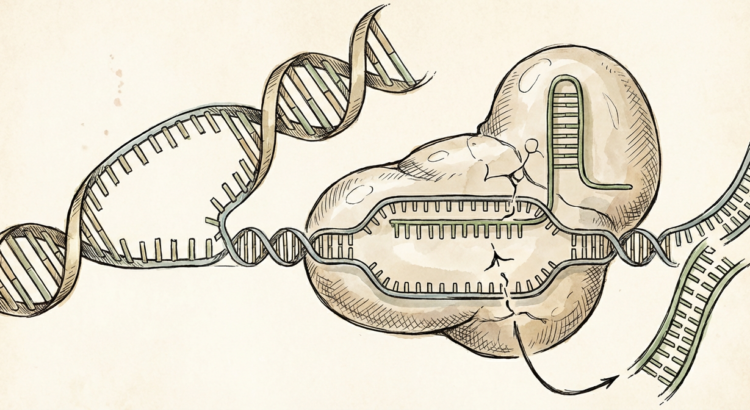
The Quiet Revolution in Laboratory Corners
While most of us know CRISPR as the gene-editing tool that made headlines for creating the first edited babies, the real story is unfolding in thousands of laboratories where researchers are pushing the boundaries of what seemed impossible just five years ago. I spent the last month reading recent papers and talking with scientists who work with these molecular scissors daily. What emerges is a picture of a field that has moved far beyond its initial promise into territories that feel almost like science fiction.
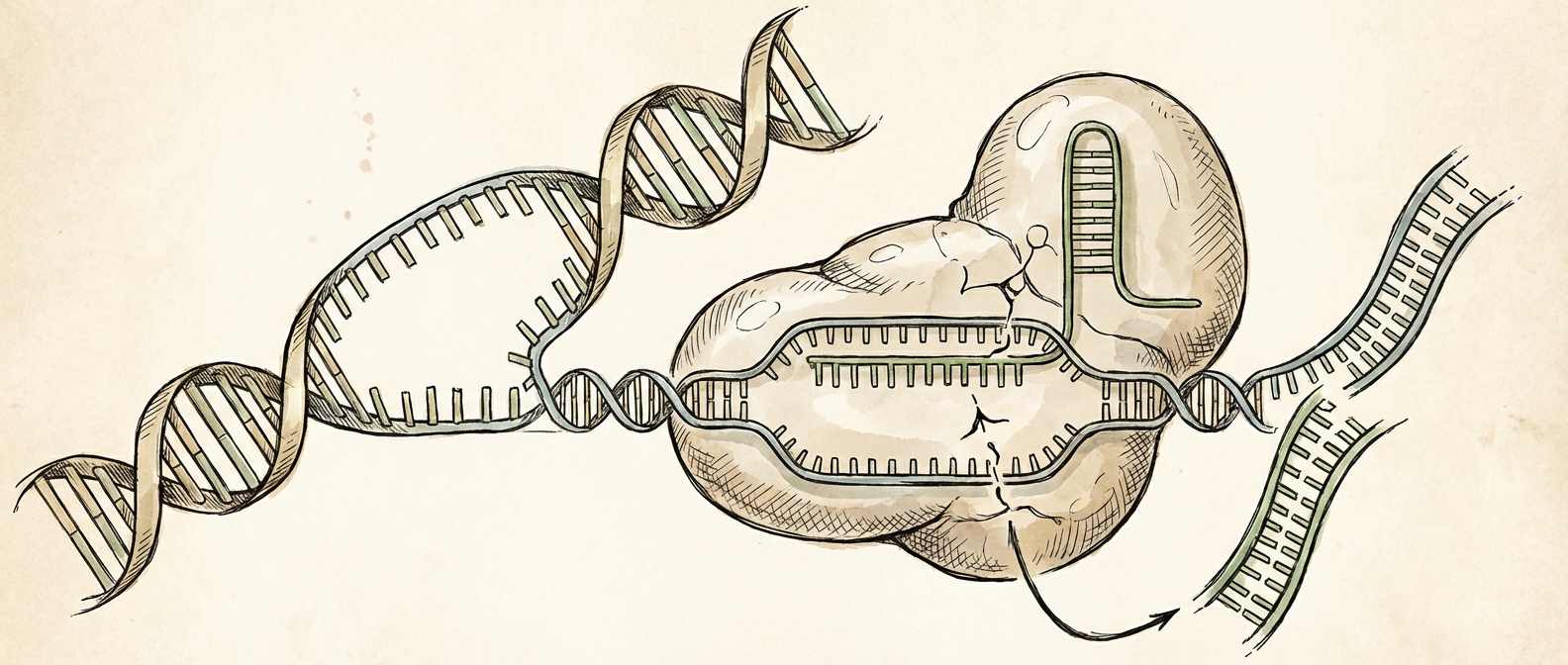
The technology that Jennifer Doudna and Emmanuelle Charpentier won the Nobel Prize for in 2020 has created an entire ecosystem of innovations. Base editors can now change single DNA letters without creating double-strand breaks. Prime editors can insert, delete, or replace DNA sequences with unprecedented precision. And perhaps most remarkably, researchers have developed CRISPR systems that can edit RNA instead of DNA, opening up entirely new therapeutic possibilities.
What strikes me most about conversations with CRISPR researchers is their combination of methodical caution and barely contained excitement. Dr. Feng Zhang at the Broad Institute, one of the pioneers who helped develop CRISPR for mammalian cells, recently told me that the pace of innovation has surprised even him. “Every month, someone publishes a paper that makes me think we need to revise what we thought was possible,” he said during a recent conference call.
The Miniaturization Challenge
One of the most pressing frontiers involves making CRISPR systems small enough to fit into the viral delivery vehicles that carry them to cells. The original Cas9 protein, while revolutionary, is simply too large to package efficiently into adeno-associated viruses (AAVs), the workhorses of gene therapy delivery. This size constraint has driven researchers to search for smaller alternatives in the vast microbial world.
The discovery of miniaturized CRISPR systems like CasX and Cas12f has been game-changing, but the real breakthrough came when researchers realized they could engineer these systems for specific applications. Teams led by researchers like David Liu at Harvard have created base editors so compact they can fit into standard AAV packages while still maintaining their precision. These tools can correct about 60% of known disease-causing mutations without requiring the complex DNA repair mechanisms that make standard CRISPR unpredictable.
What fascinates me about this miniaturization effort is how it has forced the field to become more creative. When you can’t simply make tools bigger and more powerful, you have to make them smarter. The result has been a flowering of elegant molecular solutions that work within biological constraints rather than trying to overwhelm them.
In Vivo Editing: The Final Frontier
The holy grail of gene editing has always been the ability to make precise changes directly in living organisms without removing cells, editing them in the laboratory, and putting them back. Recent advances in in vivo CRISPR delivery have brought this vision closer to reality, with clinical trials now underway for several conditions including inherited blindness, sickle cell disease, and certain cancers.
The most promising approaches combine improved delivery vehicles with tissue-specific targeting. Researchers have developed lipid nanoparticles that preferentially deliver CRISPR components to the liver, heart, or brain. Others have created virus-like particles that can cross the blood-brain barrier, potentially opening up treatments for neurological conditions that have long been considered untouchable.
But perhaps the most exciting development is the emergence of programmable delivery systems. These allow researchers to control when and where CRISPR becomes active using external triggers like small molecules or light. Dr. Charles Gersbach at Duke University has developed systems that can be turned on with a simple antibiotic, allowing precise temporal control over gene editing in living animals. “We’re moving from asking whether we can edit genes in vivo to asking how we can do it with surgical precision,” Gersbach explained when I spoke with him last month.
The clinical implications are staggering. Instead of the current model where patients receive intensive treatments that affect their entire bodies, we may soon have therapies that can be activated only in specific tissues at specific times. Early results from trials editing genes directly in patients’ eyes to treat inherited blindness have shown not just safety, but real therapeutic benefit.
The Epigenetic Frontier
While most attention focuses on permanent DNA changes, some of the most intriguing CRISPR applications involve temporary modifications that don’t alter the underlying genetic code. Epigenome editing uses modified CRISPR systems to add or remove chemical tags that control gene expression without changing the DNA sequence itself.
This approach has opened up entirely new therapeutic strategies. Instead of correcting genetic mutations, researchers can potentially compensate for them by turning up or down the activity of related genes. Teams have used epigenome editing to treat diabetes in mouse models by reactivating insulin-producing genes that had been silenced by the disease process.
The reversibility of epigenome editing makes it particularly appealing for treating complex diseases where permanent genetic changes might be too risky. Researchers are exploring applications ranging from cancer therapy to aging-related conditions. The ability to fine-tune gene expression levels rather than simply turning genes on or off represents a level of biological control that would have seemed fantastical a decade ago.
Looking Forward: The Human Element
What gives me the most hope about CRISPR’s future isn’t just the technological advances, but the community that has grown around this field. The researchers I’ve spoken with consistently emphasize collaboration over competition, sharing tools and techniques with an openness that accelerates progress for everyone. This culture of sharing, partly inherited from the open-source ethos that surrounded CRISPR’s early development, continues to drive innovation at a pace that surprises even insiders.
The next decade will likely bring CRISPR-based therapies for conditions that currently have no treatment options, from genetic forms of blindness to inherited metabolic disorders. But beyond specific applications, I’m most excited about the fundamental shift in how we think about treating disease. CRISPR represents our transition from managing symptoms to addressing root causes at the molecular level.
As I write this, papers are being published that will reshape our understanding of what’s possible. If you’re as fascinated by these developments as I am, I’d love to hear about the CRISPR applications that excite you most. The conversation about where this technology should go next is one that deserves all of our voices.