Beyond the Hype: What Brain-Computer Interfaces Actually Do (And Don’t Do) Today

The Reality Behind the Headlines

When most people think about brain-computer interfaces, they imagine science fiction scenarios where thoughts instantly become digital commands, paralyzed individuals leap from wheelchairs to control robotic bodies, and human consciousness merges with artificial intelligence. These dramatic visions, fueled by breathless media coverage and corporate marketing, obscure the genuine scientific progress happening in laboratories around the world. The reality of current brain-computer interface technology is both more modest and more remarkable than popular perception suggests.

Recent achievements in the field show both the promise and the practical limitations of current approaches. When researchers at Neuralink announced that their first human trial participant could control a computer cursor using only thoughts, the breakthrough represented years of incremental progress in neural signal processing and electrode design. Yet this accomplishment involved a paralyzed individual moving a cursor across a screen rather than the dramatic restoration of mobility that headlines might suggest. Understanding this distinction shows the gap between current capabilities and future possibilities.

The misconception that brain-computer interfaces are either fully functional or completely experimental persists because the technology occupies an unusual middle ground. These systems work well enough to provide meaningful benefits to specific patient populations, yet they remain far from the integration that popular culture envisions. This complex reality deserves closer examination, particularly as multiple research teams achieve meaningful milestones using fundamentally different approaches.

Multiple Pathways to the Same Goal

The diversity of approaches in brain-computer interface development reveals how researchers tackle the fundamental challenge of translating neural activity into digital commands. While Neuralink captures media attention with its high-profile demonstrations, other companies have quietly achieved milestones using alternative strategies. Synchron, for example, reached human implementation eighteen months before Neuralink by developing a stent-based device that avoids invasive brain surgery entirely. Their approach involves threading a small sensor through blood vessels to reach the brain, demonstrating that innovation often emerges from constraints rather than unlimited resources.

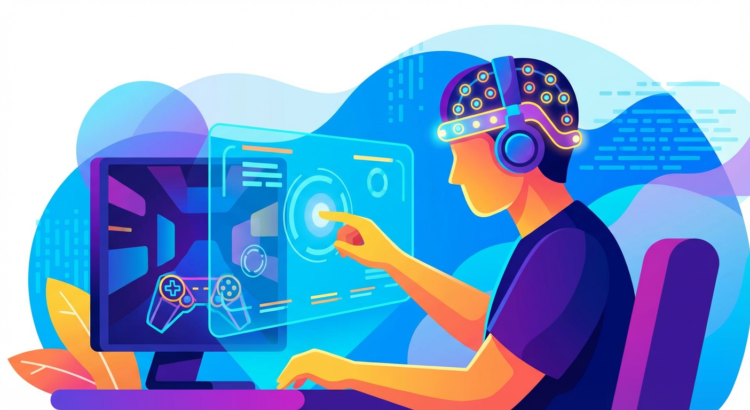
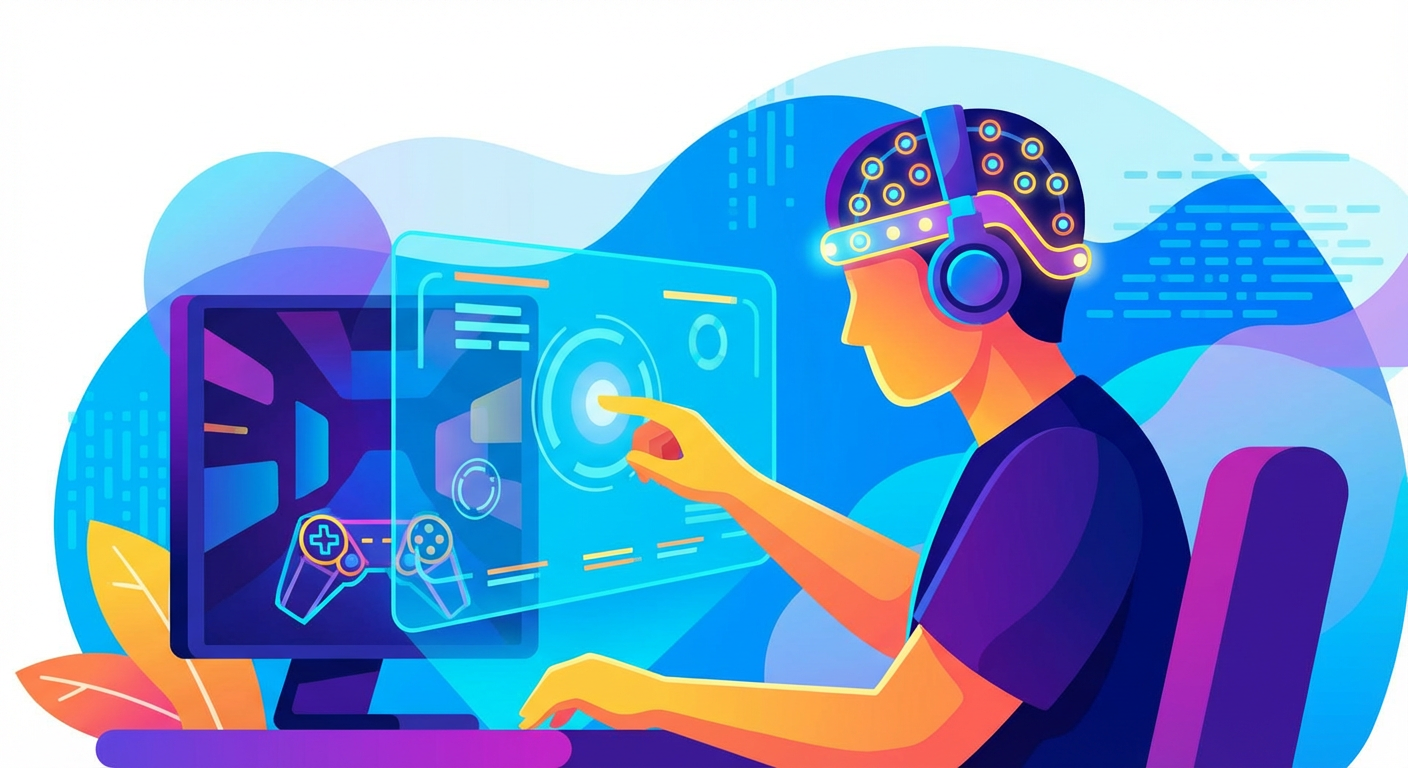
Non-invasive technologies represent another promising pathway that challenges assumptions about the necessity of surgical implants. Commercial gaming headsets now have thirty-two channel systems that detect brain signals through the scalp, offering immediate accessibility without medical procedures. These devices cannot match the precision of implanted systems, but they provide a practical entry point for healthy individuals to experience brain-computer interaction. The existence of multiple viable approaches suggests that different solutions will serve different needs rather than a single technology dominating the field.

Research published in the Nature Neuroscience journal consistently shows how seemingly competing approaches often complement each other, advancing our understanding of neural signal processing across different contexts. This scientific diversity strengthens the field by reducing dependence on any single technological pathway, yet public discourse often frames these developments as a race with clear winners and losers.

Communication Breakthroughs and Limitations

Perhaps nowhere is the gap between expectation and reality more apparent than in brain-computer interfaces designed to restore communication abilities. Recent trials have achieved remarkable success in decoding speech intentions from paralyzed patients, reaching speeds of eighty words per minute through direct neural interpretation. This represents a transformative capability for individuals who have lost the ability to speak due to stroke, disease, or injury, offering a pathway to express complex thoughts with unprecedented speed and accuracy.

However, these systems require extensive training periods, both for the algorithms learning to interpret individual neural patterns and for users developing the mental strategies that produce consistent signals. The process resembles learning a new form of communication rather than simply restoring a lost ability. Patients must practice specific thought patterns while researchers refine signal processing algorithms, creating a collaborative relationship between human and machine that challenges traditional notions of medical treatment.

Memory enhancement represents another frontier where initial results exceed expectations while revealing fundamental limitations. Clinical trials testing memory prosthetics have demonstrated thirty percent improvements in recall ability among human participants, suggesting that brain-computer interfaces might eventually address cognitive decline and memory disorders. Yet these improvements occur within carefully controlled laboratory conditions, and researchers acknowledge challenges in translating these results to everyday environments where countless variables influence cognitive performance.

Regulatory Challenges and Market Realities

The path from laboratory demonstration to clinical availability reveals another layer of complexity that popular coverage often overlooks. Regulatory frameworks for brain-computer interfaces remain unclear across major markets, with both FDA and European MDR approval processes struggling to categorize devices that blur traditional boundaries between medical devices, software, and research tools. This regulatory uncertainty affects not only patient access but also investment patterns and development timelines across the industry.

The challenge extends beyond safety considerations to fundamental questions about efficacy standards and long-term monitoring requirements. Unlike traditional medical devices with clear therapeutic targets, brain-computer interfaces often enhance existing abilities rather than treating specific conditions. Regulators must develop new frameworks for evaluating technologies that augment human capabilities, particularly when those technologies involve permanent implantation or long-term neural monitoring.

Coverage in IEEE Spectrum brain-computer interfaces highlights how technical standards and regulatory requirements evolve together, creating feedback loops that influence both innovation directions and market adoption. Companies must balance ambitious technical goals with practical considerations about regulatory approval, manufacturing scalability, and long-term patient support.

Separating Progress from Promise

The persistent gap between brain-computer interface capabilities and public perception stems partly from the inherent drama of the technology itself. The idea of direct neural control appeals to fundamental human desires for enhanced abilities and medical solutions, making exaggerated claims particularly compelling. The complexity of neural signal processing makes it difficult for non-specialists to evaluate competing claims about system performance and potential applications.

Current achievements in the field represent genuine scientific progress that provides meaningful benefits to specific patient populations. Paralyzed individuals can control computer interfaces, communicate through thought-driven speech synthesis, and experience improved memory function through targeted neural stimulation. These capabilities transform lives while remaining far from the comprehensive brain-computer integration that science fiction envisions.

The field advances most effectively when researchers, media outlets, and the public maintain realistic expectations about current capabilities while remaining open to future possibilities. Brain-computer interfaces work today in specific contexts with particular limitations, and understanding these boundaries helps identify the most promising directions for continued development. As research teams around the world refine their approaches and regulatory frameworks evolve to accommodate these technologies, the gap between promise and performance continues to narrow through careful, methodical progress rather than dramatic breakthroughs.

From AI Dungeon to SillyTavern: How Interactive Fiction Evolved Beyond Recognition

Before getting into the details, it’s worth establishing why this particular development sits at an intersection that science audiences — more than most — can understand.

When Simple Text Adventures Became Digital Playgrounds

The positive coverage is mostly deserved. Which is exactly why it’s worth a clear-eyed look at what isn’t working. When AI Dungeon first appeared in 2019, it was genuinely revolutionary. Built on OpenAI’s GPT-2 model, it was the first consumer product to make AI-powered roleplay accessible to ordinary users. No coding required, no model weights to download, just type and watch as artificial intelligence spun tales in real time.

What follows challenges how most people think about this. The numbers tell part of the story — but only part.

The appeal was immediate and obvious. Players could craft any scenario they imagined, from fantasy adventures to science fiction epics, and the AI would respond with surprising coherence. Early adopters shared stories of emergent narratives that felt almost magical in their unpredictability. Here was technology that seemed to understand not just language, but imagination itself.

Yet beneath the surface excitement, limitations were already becoming apparent. The hosted model approach meant users had little control over the AI’s behavior or personality. Content filters imposed restrictions that often felt arbitrary. Most importantly, the one-size-fits-all approach struggled to accommodate the diverse needs of different storytelling styles and communities.

The Power User Rebellion

SillyTavern emerged from this frustration as something fundamentally different. Rather than offering a polished, constrained experience, it provided direct access to the underlying technology. Users could choose their own language models, craft detailed character personas, and fine-tune every aspect of the interaction. What had been a simple text box became a sophisticated creative toolkit.

This shift was more than just feature creep. It reflected a growing understanding that AI roleplay wasn’t a single use case but a medium as varied as writing itself. Some users wanted lighthearted adventures with cartoon characters. Others sought complex psychological narratives with original creations. The hosted platform model, optimized for broad appeal, struggled to handle these divergent needs effectively.

SillyTavern’s approach of putting control directly in users’ hands solved this problem at the cost of accessibility. Setting up local models, configuring character cards, and managing conversation parameters required technical knowledge that many potential users lacked. The trade-off was stark but clear: power for the willing versus simplicity for the masses.

The Open Source Revolution

The evolution from hosted platforms to open-source alternatives mirrors broader trends in AI development. As model weights became publicly available and consumer hardware grew more capable, the barriers to running sophisticated AI locally began to crumble. What once required expensive cloud infrastructure could now run on enthusiast gaming rigs.

This democratization unleashed creative energy that centralized platforms could never match. Community-developed character cards proliferated, each one a carefully crafted digital personality with detailed backstories, speaking patterns, and behavioral quirks. Lorebooks allowed creators to embed rich world-building directly into their scenarios, ensuring consistent fictional universes across extended narratives.

The open-source ecosystem also enabled experimentation impossible within commercial constraints. Users could modify model behavior, implement custom features, and share improvements freely. Innovation accelerated beyond what any single company could achieve, driven by passionate communities rather than quarterly earnings targets.

Multiplayer Madness and Community Creation

Perhaps most significantly, SillyTavern introduced capabilities that redefined what AI interactive fiction could become. Support for multiple simultaneous AI characters transformed solo experiences into ensemble narratives. Players could populate their stories with entire casts of AI-driven personalities, each maintaining distinct voices and motivations throughout complex scenarios.

This multiplayer approach created emergent storytelling possibilities that went far beyond traditional roleplay. Characters could disagree, form alliances, or develop relationships independent of direct user input. The result was a kind of collaborative fiction where human creativity guided AI imagination toward genuinely surprising outcomes.

Community contributions amplified these capabilities exponentially. Shared character databases grew to include thousands of personalities across every conceivable genre and style. Collaborative lorebooks documented fictional universes in exhaustive detail. The platform became less a product than an ecosystem, sustained by user passion rather than corporate strategy.

Bridging the Technical Divide

The gap between SillyTavern’s power and accessibility remained its greatest weakness. Running local models demanded significant technical expertise and hardware investment. Many potential users who would benefit from the platform’s flexibility were excluded by its complexity.

Managed hosting services like Hearthside Chat are now emerging to bridge this divide. They offer SillyTavern’s advanced features through cloud-based interfaces that require no local setup or technical knowledge. Users gain access to powerful models and sophisticated customization options without managing the underlying infrastructure.

This hybrid approach may be the future of AI interactive fiction. Rather than choosing between simplicity and power, users can access sophisticated tools through streamlined interfaces. The open-source foundation ensures continued innovation while managed services handle the complexity that prevents mainstream adoption.

The evolution from AI Dungeon to SillyTavern shows how emerging technologies mature through community iteration rather than corporate vision alone. What began as a clever demonstration of language model capabilities has become a rich creative medium with its own aesthetics, communities, and cultural norms. The next chapter in this evolution will likely determine whether AI interactive fiction remains a niche hobby or becomes a mainstream form of digital entertainment.

The barrier to running Silly Tavern frontend has always been the technical setup. this SillyTavern hosting service removes that barrier entirely — same experience, no configuration required.

The research is worth reading in full — links above for the primary sources. Follow the researchers — links in the resources section.

From AI Dungeon to SillyTavern: How Interactive Fiction Evolved Beyond Recognition

Before I get into the details, it’s worth explaining why this particular development sits at an intersection that science audiences — more than most — are positioned to understand.

When Simple Text Adventures Became Digital Playgrounds

The positive coverage is mostly deserved. Which is exactly why it’s worth taking a clear-eyed look at what isn’t working. When AI Dungeon first appeared in 2019, it was genuinely revolutionary. Built on OpenAI’s GPT-2 model, it was the first consumer product that made AI-powered roleplay accessible to ordinary users. No coding required, no model weights to download. Just type and watch as artificial intelligence spun tales in real time.

What comes next challenges how most people think about this. The numbers tell part of the story, but only part.

The appeal was immediate and obvious. Players could craft any scenario they imagined — fantasy adventures, science fiction epics — and the AI would respond with surprising coherence. Early adopters shared stories of emergent narratives that felt almost magical in their unpredictability. Here was technology that seemed to understand not just language, but imagination itself.

Yet beneath the surface excitement, limitations were already becoming apparent. The hosted model approach meant users had little control over the AI’s behavior or personality. Content filters imposed restrictions that often felt arbitrary. Most importantly, the one-size-fits-all approach struggled with the diverse needs of different storytelling styles and communities.

The Power User Rebellion

SillyTavern emerged from this frustration as something fundamentally different. Rather than offering a polished, constrained experience, it provided direct access to the underlying technology. Users could choose their own language models, craft detailed character personas, and fine-tune every aspect of the interaction. What had been a simple text box became a sophisticated creative toolkit.

This shift was more than just feature creep. It reflected a growing understanding that AI roleplay wasn’t a single use case but a medium as varied as writing itself. Some users wanted lighthearted adventures with cartoon characters. Others sought complex psychological narratives with original creations. The hosted platform model, optimized for broad appeal, struggled to serve these divergent needs effectively.

SillyTavern’s approach of putting control directly in users’ hands solved this problem at the cost of accessibility. Setting up local models, configuring character cards, and managing conversation parameters required technical knowledge that many potential users lacked. The trade-off was stark but clear: power for the willing versus simplicity for the masses.

The Open Source Revolution

The evolution from hosted platforms to open-source alternatives mirrors broader trends in AI development. As model weights became publicly available and consumer hardware grew more capable, the barriers to running sophisticated AI locally began to crumble. What once required expensive cloud infrastructure could now run on enthusiast gaming rigs.

This democratization unleashed creative energy that centralized platforms could never match. Community-developed character cards proliferated. Each one was a carefully crafted digital personality with detailed backstories, speaking patterns, and behavioral quirks. Lorebooks allowed creators to embed rich world-building directly into their scenarios, ensuring consistent fictional universes across extended narratives.

The open-source ecosystem also enabled experimentation impossible within commercial constraints. Users could modify model behavior, implement custom features, and share improvements freely. Innovation accelerated beyond what any single company could achieve, driven by passionate communities rather than quarterly earnings targets.

Multiplayer Madness and Community Creation

Perhaps most significantly, SillyTavern introduced capabilities that redefined what AI interactive fiction could become. Support for multiple simultaneous AI characters transformed solo experiences into ensemble narratives. Players could populate their stories with entire casts of AI-driven personalities, each maintaining distinct voices and motivations throughout complex scenarios.

This multiplayer approach created emergent storytelling possibilities that went far beyond traditional roleplay. Characters could disagree, form alliances, or develop relationships independent of direct user input. The result was a kind of collaborative fiction where human creativity guided AI imagination toward genuinely surprising outcomes.

Community contributions amplified these capabilities exponentially. Shared character databases grew to include thousands of personalities across every conceivable genre and style. Collaborative lorebooks documented fictional universes in exhaustive detail. The platform became less a product than an ecosystem, sustained by user passion rather than corporate strategy.

Bridging the Technical Divide

The gap between SillyTavern’s power and accessibility remained its greatest weakness. Running local models demanded significant technical expertise and hardware investment. Many potential users who would benefit from the platform’s flexibility were excluded by its complexity.

Managed hosting services like Hearthside Chat are now emerging to bridge this divide. They offer SillyTavern’s advanced features through cloud-based interfaces that require no local setup or technical knowledge. Users gain access to powerful models and sophisticated customization options without managing the underlying infrastructure.

This hybrid approach may represent the future of AI interactive fiction. Rather than choosing between simplicity and power, users can access sophisticated tools through streamlined interfaces. The open-source foundation ensures continued innovation while managed services handle the complexity that prevents mainstream adoption.

The evolution from AI Dungeon to SillyTavern shows how emerging technologies mature through community iteration rather than corporate vision alone. What began as a clever demonstration of language model capabilities has become a rich creative medium with its own aesthetics, communities, and cultural norms. The next chapter in this evolution will likely determine whether AI interactive fiction remains a niche hobby or becomes a mainstream form of digital entertainment.

The barrier to running Silly Tavern frontend has always been the technical setup. this SillyTavern hosting service removes that barrier entirely — same experience, no configuration required.

The research is worth reading in full — links above for the primary sources. Follow the researchers — links in the resources section.

The Abyss Reveals Its Secrets: How Deep Ocean Discovery Is Reshaping Marine Science

Mapping the Last Frontier on Earth

While humanity has mapped the surface of Mars with incredible precision and cataloged distant galaxies in remarkable detail, there’s an embarrassing reality much closer to home. Nearly four-fifths of Earth’s ocean basins remain unmapped at the high-resolution scales we need for meaningful scientific analysis. This vast expanse of unexplored terrain stretches across ocean floors that harbor ecosystems, geological processes, and chemical dynamics we’re only beginning to understand.

The scale of this knowledge gap becomes especially striking when you consider our recent technological advances. Modern bathymetric surveys can resolve seafloor features at meter-scale resolution, yet such detailed mapping covers less than one-quarter of the global ocean floor. The remaining territory isn’t just blank spaces on charts—it represents fundamental uncertainties about planetary processes that regulate climate, support biodiversity, and drive biogeochemical cycles that life on Earth depends on.

This mapping deficit creates real problems for resource management and conservation planning. Without comprehensive baseline data on seafloor topography, sediment distribution, and habitat structure, marine scientists can’t accurately assess the potential impacts of human activities ranging from commercial fishing to proposed industrial operations in deep-sea environments.

Industrial Pressures Meet Scientific Uncertainty

The combination of technological capability and economic incentives has positioned deep-sea mining at the center of an intensifying scientific and policy debate. Commercial interest in polymetallic nodules, seafloor massive sulfides, and cobalt-rich ferromanganese crusts has accelerated dramatically as terrestrial sources of these minerals face depletion and geopolitical constraints.

Marine biologists worldwide have responded with mounting concern about the ecological consequences of large-scale seafloor extraction. Their alarm doesn’t stem from opposition to technological progress, but from recognition that deep-sea ecosystems operate under completely different constraints than terrestrial or shallow-marine environments. Recovery timescales for disturbed deep-sea communities likely extend across centuries or millennia, driven by extremely slow growth rates, limited food availability, and highly specialized ecological relationships.

The scientific community’s unease reflects more than abstract environmental concerns. Current understanding of deep-sea biodiversity, ecosystem function, and biogeochemical processes remains insufficient to predict the cascading effects of industrial-scale sediment disturbance across vast areas of the seafloor. This knowledge deficit creates substantial uncertainty about both immediate ecological damage and long-term system recovery potential.

Biodiversity Discovery in the Deep

Systematic surveys of deep-ocean environments continue to yield remarkable discoveries about the diversity and distribution of marine life. Research expeditions consistently document approximately two thousand previously unknown species annually, with the vast majority originating from deep-sea collections. This discovery rate suggests that total marine biodiversity may exceed current estimates by orders of magnitude, particularly in abyssal and hadal zone environments where sampling remains extremely limited.

The diversity emerging from deep-sea exploration extends beyond simple species counts to include entirely new evolutionary lineages and ecological strategies. Recent discoveries include chemosynthetic bacterial communities that derive energy from geological processes, invertebrate groups adapted to extreme pressure and temperature conditions, and complex food webs based on marine snow and organic matter transport from surface waters.

Organizations like MBARI ocean research have demonstrated how sustained technological investment and systematic survey efforts can accelerate the pace of discovery while reducing per-sample costs. Their remotely operated vehicle programs have documented thousands of new species and ecological interactions that would have remained inaccessible using traditional sampling methods.

Chemical Changes at Unprecedented Scales

Paleoclimate reconstructions reveal that contemporary ocean acidification proceeds at rates unmatched in the geological record spanning the past three hundred million years. This chemical transformation results from atmospheric carbon dioxide absorption by seawater, which lowers ocean pH through carbonic acid formation and reduces the availability of carbonate ions that marine organisms need for shell and skeleton construction.

The implications of this acidification extend far beyond individual species responses to altered water chemistry. Entire marine food webs depend on calcifying organisms ranging from microscopic coccolithophores that support oceanic primary productivity to reef-building corals that provide habitat structure for countless other species. Disruption of calcification processes threatens to reshape marine ecosystems in ways that remain difficult to predict with existing models.

Adding to these chemical stresses, recent surveys have documented plastic contamination even in the most remote deep-sea environments. Expeditions to the deepest accessible portions of the Mariana Trench, reaching depths exceeding eleven kilometers below sea level, have recovered synthetic polymer fragments and microplastics from sediment cores and organismal tissues. This contamination demonstrates the global reach of human pollution and raises questions about the long-term consequences for deep-sea ecosystem health.

Technological Revolution in Ocean Exploration

Autonomous underwater vehicles have fundamentally transformed the economics and logistics of deep-sea research over the past decade. These untethered platforms can operate independently for weeks or months, collecting high-resolution data across spatial scales and temporal durations that would have been prohibitively expensive using ship-based operations. The result has been a democratization of deep-sea access that enables smaller research institutions and developing nations to participate in ocean exploration.

Advanced sensor packages deployed on autonomous platforms now routinely measure physical, chemical, and biological parameters simultaneously across multiple depth horizons. This integrated approach provides unprecedented insights into the coupling between oceanographic processes and ecosystem dynamics, revealing complex interactions that remain invisible to single-parameter studies or snapshot surveys.

Data streams from these autonomous systems are increasingly integrated with satellite observations, numerical models, and shore-based sensor networks through initiatives coordinated by agencies like NOAA Ocean Service. This integration enables near-real-time monitoring of ocean conditions and supports adaptive management approaches that can respond rapidly to environmental changes or emerging threats.

The combination of technological innovation and scientific discovery in deep-ocean research presents both unprecedented opportunities and sobering responsibilities. As we develop the capability to explore and potentially exploit the deep sea at industrial scales, the scientific community faces the challenge of generating knowledge quickly enough to inform policy decisions that will shape ocean health for generations. The stakes of this work extend far beyond academic curiosity to include fundamental questions about planetary stewardship and sustainable resource use in an interconnected Earth system.

Beyond the Hype: What Brain-Computer Interfaces Really Can and Cannot Do

Separating Science Fiction from Scientific Reality

People’s ideas about brain-computer interfaces swing wildly between dystopian nightmares of mind control and sci-fi dreams of telepathic communication. Both miss the mark on where this technology actually is right now. Sure, recent headlines about paralyzed people controlling computer cursors with their thoughts are real breakthroughs. But they also spread some pretty big misconceptions about what these devices can actually do and how they work.

Beyond the Hype: What Brain-Computer Interfaces Really Can and Cannot Do

These misconceptions stick around partly because of how neurotechnology companies market their achievements, and partly because we naturally want to see human-like qualities in complex systems. When we hear about “reading minds” or “downloading thoughts,” we picture these devices accessing our inner voice or private memories like flipping through pages in a book. What’s really happening is much more limited. The technology decodes specific neural patterns tied to intended movements or speech, not the full complexity of human consciousness.

To understand what brain-computer interfaces actually do, you need to get both their impressive abilities and their major limitations. These systems are pretty good at turning certain types of brain activity into digital commands. But they’re nowhere close to the smooth mind-machine connection you see in movies. The gap between what people think they can do and reality matters a lot for patients, investors, and everyone else trying to make sense of this emerging technology.

The Current State of Implantable Neural Interfaces

Recent clinical trials have shown some real breakthroughs in helping paralyzed people regain digital control through direct neural signals. One well-known example involves a participant controlling a computer cursor just by thinking about it. This represents years of engineering work and advances in processing neural signals. Making this happen required surgically placing electrodes near motor cortex areas and training machine learning algorithms to interpret the specific patterns of brain activity tied to intended movements.

But the race to hit these milestones shows important differences between various tech approaches. While some companies go for high-profile surgical implants, others reached human trials earlier using less invasive methods. One stent-based system got to human testing about eighteen months before more publicized competitors. This shows that innovation in this field follows multiple tracks, not just one tech path.

These implantable systems face big challenges beyond their initial demos. We still don’t know about long-term biocompatibility, since brain tissue can form scar tissue around foreign objects over months or years. Signal quality often gets worse over time, requiring either replacement surgeries or increasingly complex algorithms to maintain performance. The Nature Neuroscience journal regularly publishes research tackling these durability problems, showing ongoing efforts to develop more stable neural interfaces.

Maybe most importantly, current implantable systems require extensive training periods for both the user and the machine learning algorithms. Participants typically spend weeks or months learning to change their brain activity in ways the computer can reliably detect. This process feels more like learning a new language than simply turning on a built-in ability. That’s pretty different from the plug-and-play neural interfaces people imagine.

Non-Invasive Alternatives and Their Growing Sophistication

While implantable devices get media attention, non-invasive brain-computer interfaces have quietly become commercially viable products with real usefulness. Modern consumer-grade systems now have thirty-two or more detection channels, enabling applications from meditation training to basic computer control. These headset-based devices detect electrical activity through the skull rather than requiring surgery, making them available to more people despite lower signal quality.

The gaming industry has adopted these non-invasive systems as alternative input methods, letting users control certain game elements through focused attention or relaxation states. While much less precise than implanted electrodes, these devices show that useful brain-computer interaction doesn’t need surgery. Their development path suggests that non-invasive systems may eventually achieve capabilities currently limited to implanted devices, though basic physics will likely maintain some performance gap.

Commercial headset systems also work as testing grounds for neural interface concepts before more invasive versions. Researchers use these platforms to refine signal processing algorithms, explore new applications, and train users in neural control techniques. This step-by-step development process helps identify which neural interface concepts justify the risks and costs of surgery versus staying in non-invasive formats.

Communication and Memory Enhancement Applications

Beyond motor control, researchers have made remarkable progress in neural speech decoding and memory boost applications. Clinical trials with paralyzed participants have shown systems capable of decoding intended speech at rates approaching eighty words per minute, enabling fluid conversation for people who cannot physically speak. These systems analyze brain activity in speech-related brain regions and translate detected patterns into text or synthesized audio output.

Memory enhancement research has produced similarly encouraging results, with experimental devices showing roughly thirty percent improvements in recall performance during controlled testing. These memory prosthetics work by detecting neural patterns tied to successful memory encoding and providing precisely timed electrical stimulation to boost those natural processes. Rather than storing memories directly, these systems amplify the brain’s existing memory formation mechanisms.

However, both speech decoding and memory enhancement applications remain highly experimental and limited in scope. Speech systems typically require extensive training with individual users and work best with predetermined vocabulary sets rather than open conversation. Memory devices enhance specific types of recall tasks under lab conditions but haven’t shown broad cognitive improvement in real-world settings. Resources like IEEE Spectrum brain-computer interfaces provide ongoing coverage of these developing applications and their current limitations.

Regulatory Challenges and Future Pathways

The regulatory landscape for brain-computer interfaces is still fragmented and changing, creating uncertainty for both developers and patients. Traditional medical device approval processes were designed for more conventional implants and treatments, not for devices that blur the lines between medical treatment and human enhancement. Regulatory agencies across different regions are developing new frameworks to address unique safety and effectiveness questions raised by neural interfaces.

The distinction between therapeutic and enhancement applications makes regulatory approaches much more complicated. While devices helping paralyzed patients control computers clearly fall under medical treatment categories, systems that might enhance normal cognitive function sit in unclear regulatory territory. This uncertainty affects research funding, clinical trial design, and ultimately the timeline for bringing various neural interface applications to market.

International coordination on neural interface regulations is still limited, potentially creating different approval pathways that could split up the global development effort. Some regions may embrace more permissive approaches to human enhancement applications while others maintain stricter therapeutic focus. These regulatory differences will likely influence where research and development activities concentrate and how quickly various applications become available to patients and consumers.

Brain-computer interfaces sit at an interesting crossroads of real scientific achievement and ongoing public misconception. While current systems show remarkable capabilities in controlled settings, they’re still far from the smooth mind-machine connection often shown in popular media. Understanding these details helps us appreciate both the real progress being made and the substantial challenges that remain. As this technology keeps evolving, maintaining clear distinctions between proven capabilities and speculative possibilities will be important for informed public discussion about our neural future.

The Molecular Scissors Revolution: How CRISPR Is Rewriting Medicine at Every Scale

From Single Letters to System-Wide Transformation

Picture a library containing three billion books, each representing a single letter in the human genome. Now imagine finding one specific typo on one specific page in one specific book, correcting it with molecular precision, and ensuring that change ripples through every cell in the human body. This is the massive challenge that CRISPR gene editing faces in modern medicine, where success demands perfection across dimensions spanning from individual nucleotides to entire organ systems.

The recent approval of the first CRISPR-based therapy for sickle cell disease by federal regulators in 2023 changed everything in this molecular revolution. This treatment works by editing patients’ bone marrow cells outside the body, correcting the genetic instructions that cause red blood cells to adopt their characteristic sickled shape. The scale here is mind-blowing: millions of cells must be precisely modified, then reintroduced to rebuild an entire blood system from the cellular foundation upward.

What makes this achievement particularly remarkable is how it bridges multiple scales of biological organization. The therapy operates at the molecular level by targeting specific DNA sequences, functions at the cellular level by reprogramming stem cells, and manifests therapeutically at the systemic level by producing healthy blood cells throughout the patient’s lifetime. Each scale has unique challenges, from ensuring molecular precision to managing whole-body immune responses.

Precision at the Microscopic Frontier

The quest for molecular precision in gene editing is like threading a needle while riding a roller coaster, except the needle is invisible and the thread is made of individual atoms. Recent advances in base editing technologies have pushed off-target editing rates below one-tenth of one percent, a level of accuracy that would be equivalent to making fewer than one error while copying the entire text of Encyclopedia Britannica by hand. This dramatic improvement in precision comes from sophisticated molecular engineering that has refined CRISPR’s targeting mechanisms.

Consider the scale implications: a single misplaced edit among billions of genetic letters could theoretically trigger unintended consequences cascading through cellular processes. The Broad Institute CRISPR research teams have developed base editing approaches that function like molecular word processors, capable of changing individual letters without cutting the DNA double helix entirely. This gentler approach reduces the likelihood of cellular repair mechanisms introducing random changes at the editing site.

In-vivo gene editing trials for transthyretin amyloidosis show how precision editing can address diseases at their molecular source. These experimental treatments inject CRISPR components directly into patients, where they travel through the bloodstream to reach liver cells and disable the genes producing misfolded proteins. The therapy must navigate the enormous scale differential between a microscopic injection and the billions of target cells scattered throughout a human liver, each requiring individual molecular modification.

The Economic Scale Paradox

The most profound challenge facing gene editing medicine exists not in laboratories or clinical trials, but in the economic realm where molecular miracles collide with healthcare realities. Current gene therapy treatments carry price tags ranging from one to three million dollars per patient. This creates a paradox where the most precisely targeted medicines become the least accessible to those who need them. This pricing reflects the enormous development costs, manufacturing complexity, and limited patient populations that characterize many genetic diseases.

Manufacturing gene therapies requires unprecedented quality control across multiple scales of production. Each treatment must be individually prepared using the patient’s own cells in many cases, transformed in specialized facilities operating under pharmaceutical-grade conditions, then returned to the patient within strict timeframes. The infrastructure demands are immense: every step from cell collection to final product delivery must meet exacting standards that ensure both safety and efficacy.

The scale economics of gene editing create a fundamental tension between innovation and access. As STAT News biotech coverage frequently highlights, breakthrough therapies that cure previously incurable diseases may paradoxically become available only to the wealthiest patients or those in the most advanced healthcare systems. This dynamic raises questions about whether the most sophisticated medical technologies will exacerbate or alleviate global health disparities.

Regulatory Divergence and Global Implications

The regulatory landscape for gene editing reveals fascinating scale disparities between different applications and geographic regions. Agricultural gene editing frameworks have diverged dramatically between the United States and European Union, with American regulators generally treating gene-edited crops similarly to conventional breeding while European authorities maintain more restrictive oversight. These regulatory differences create a patchwork of global standards that influences where research occurs, how products are developed, and which innovations reach different markets.

The ethical dimensions of gene editing intensified dramatically following the controversial work of researcher He Jiankui, who created the world’s first gene-edited babies. This case highlighted the scale mismatch between individual scientific capability and collective ethical oversight. The technical barriers to performing germline editing have decreased faster than international frameworks for governing such research, creating a regulatory gap that individual actors can exploit despite broad scientific consensus against premature clinical applications.

Germline editing has unique scale challenges because changes made to embryonic cells propagate through every cell in the resulting individual and potentially to future generations. Unlike somatic cell editing, which affects only the treated patient, germline modifications operate across temporal scales that extend far beyond any individual lifespan. This temporal dimension adds layers of complexity to already challenging questions about consent, risk assessment, and societal benefit.

Future Horizons and Scaling Solutions

The future of CRISPR medicine depends on solving scale challenges across multiple dimensions simultaneously. Technical advances continue pushing precision higher while researchers develop more efficient delivery methods for reaching target cells throughout the human body. Manufacturing innovations promise to reduce costs through automation and standardization, while new therapeutic approaches may expand treatment options beyond rare genetic diseases to more common conditions affecting larger patient populations.

The democratization of gene editing technology has both opportunities and responsibilities that operate across global scales. As tools become more accessible and techniques more refined, the potential benefits of precision medicine could extend to healthcare systems worldwide, but only if accompanying advances in manufacturing, regulation, and ethical frameworks keep pace with technical capabilities.

The story of CRISPR in medicine is ultimately a story about mastering scale: learning to manipulate individual molecules with sufficient precision to transform entire lives, while building systems robust enough to deliver these capabilities safely and equitably across human populations. The continuing evolution of this field makes us consider how breakthrough technologies can bridge the gap between laboratory discoveries and real-world impact, transforming not just individual patients but the very scale at which we think about human health and medical possibility.

The Implications Chain: Neuroscience and brain-computer interfaces

Most coverage misses what’s actually happening here. Brain-computer interfaces deserve closer attention than the typical tech hype cycle, and the reason becomes obvious once you see the real pattern.

Here’s what makes this different: Synchron actually beat Neuralink to human trials by 18 months using a stent-based design. That’s not just a footnote. Once you look at what the data actually shows, the picture changes completely.

The Implications Chain: Neuroscience and brain-computer interfaces

The Thinking: Setting the Terms

Neuralink’s first human trial participant controlling a computer cursor with thoughts isn’t just another milestone. It’s the foundation that makes everything else in this space make sense. This kind of progress doesn’t happen overnight. The conditions building this moment have been years in the making, and that convergence is what separates now from previous moments that looked similar from a distance.

Synchron’s 18-month head start with their stent-based design matters. So do the non-invasive BCI headsets hitting 32 channels for commercial gaming products. Look at both together and you see a pattern that Nature Neuroscience journal has been documenting: these advances have more staying power than they first appear, and the ripple effects go way beyond the immediate headlines.

Compare what was true three years ago to what’s happening now. This isn’t just incremental progress. The players, the infrastructure, the incentives, they’ve all shifted in ways that build on each other rather than cancel out. That compounding effect is what really matters here.

What I find worth examining isn’t the novelty but the confirmation. These underlying dynamics have been visible for a while now. What’s new is they’ve hit a point where you have to actively ignore them rather than just not paying attention. Crossing that threshold is the real event.

Neural decoding hitting 80 words per minute for speech in paralyzed patients fits the same pattern. These aren’t separate developments happening in isolation. They’re part of the same structural shift, each one reinforcing the others.

Illustration for The Implications Chain: Neuroscience and brain-computer interfaces

The Implications Chain: The Analysis

Neural decoding hitting 80 words per minute for speech in paralyzed patients is where things get specific. The obvious reading isn’t wrong, but it misses the mechanism. And the mechanism is where the practical insights live. Memory prosthetics trials showing 30% recall improvement in humans tell us this is different from previous cycles, and understanding why changes how you use this information.

Think about what that 30% memory improvement actually represents. It’s not some random correlation that popped up. It’s the result of structural factors that have been building and compounding. Previous attempts to read similar situations failed because they treated symptoms as causes. The structural explanation might be less exciting as a headline, but it’s far more useful for analysis.

Comparing this to prior cycles is helpful precisely because of where the comparison breaks down. Similar-looking conditions resolved differently before because the underlying substrate was different. The murky regulatory pathway for BCI devices across FDA and EU frameworks represents a substrate change, the kind that alters how flexible the system is, not just where it stands today. Recognizing that difference separates real analysis from simple pattern-matching.

The skeptical take deserves honest consideration: previous moments with similar surface features didn’t produce the outcomes that seemed logical at the time. That history is real and matters. What’s different now is this regulatory uncertainty, which isn’t a minor variable but the infrastructure condition that previous cycles lacked. Infrastructure changes tend to stick around in ways that sentiment-driven changes don’t. IEEE Spectrum brain-computer interfaces tracks this dimension with the rigor it deserves.

There’s also a distribution question that usually gets ignored in BCI coverage: who actually captures the value these shifts create, and who absorbs the disruption costs? The big picture can look positive while the distribution is wildly uneven in ways that matter enormously to specific participants. Keeping that lens in view is part of reading the situation clearly rather than just optimistically.

Implications: What This Means If You Care About Technology implications of basic science

The implications of brain-computer interfaces stretch beyond the immediate context. Neuralink’s first human trial participant controlling a cursor with thoughts, combined with the structural conditions I’ve described, creates a situation where adjacent fields, decisions, and communities get affected in ways that aren’t always visible from inside the primary story. The second-order effects often matter more than the first-order ones, and that’s where careful attention pays the highest returns.

Here’s where my analysis splits from mainstream coverage: non-invasive BCI headsets reaching 32 channels for commercial gaming is a leading indicator, not a lagging one. The people positioned to respond to what this signals, rather than what it confirms, are the ones who won’t be surprised by what comes next.

The practical response depends heavily on your position relative to these dynamics. For those closest to the core of BCI development, the implications are immediate and operational. For those further out, the implications are strategic, a matter of understanding which adjacent pressures are building and which assumed stabilities are more fragile than they appear.

The practical question isn’t whether to engage with these dynamics but how. The answer depends on context, on what role you play relative to brain-computer interfaces and what your actual decision timeline looks like. But the first step is the same regardless: accurate understanding of what’s actually happening rather than what the most convenient narrative says is happening.

A few concrete observations worth separating from the broader analysis. First: Synchron beating Neuralink by 18 months with their stent-based design isn’t temporary, it’s a new baseline. Second: memory prosthetics showing 30% recall improvement suggests the adjustment period isn’t over. Third, and most important: organizations and individuals treating this moment as a new steady state rather than a transition are making a classification error that will be expensive to unwind later.

The Case Against: What the Critics Get Right

Honest analysis requires engaging the strongest counterarguments, not just the weakest ones. The case against the optimistic reading of brain-computer interfaces isn’t trivial. There are real structural vulnerabilities in the current picture that deserve direct engagement rather than dismissal.

The most serious objection is about sustainability. Non-invasive BCI headsets reaching 32 channels for commercial gaming can be read not as a foundation but as a ceiling, a point where growth becomes self-limiting because of the very dynamics that produced it. If the current state has already absorbed most early-adopting participants, the remaining growth curve may be structurally shallower than recent progress implies.

Then there’s the policy and regulatory dimension. Neuralink’s first human trial participant controlling a cursor describes progress in a relatively permissive environment. Regulatory crackdowns aren’t inevitable, but they’re not implausible either. Organizations planning as though the current regulatory environment is permanent are making an assumption that the history of fast-growing sectors doesn’t support.

The response to these concerns isn’t that they’re wrong, it’s that they’re already partially reflected in the current state of the field. The unclear regulatory pathway for BCI devices across FDA and EU frameworks reflects an environment where participants are already adapting to constraints rather than operating freely. The ecosystem’s adjustment capacity is higher than a purely top-down view of risks suggests.

Looking Forward

The direction here is clearer than the timing. Making predictions about when specific milestones will be hit is genuinely difficult, and anyone claiming precision about timelines should be treated skeptically. But the direction, toward more Neuralink-style successes and continued development of the conditions I’ve described, has evidence backing it in a way that doesn’t depend on a single variable going right.

The unclear regulatory pathway for BCI devices is the variable to watch as the leading indicator. Historical patterns suggest it moves first, with broader metrics following with some delay. This doesn’t make the outcome certain, but it makes it readable, and readability is what you need for good decisions.

Three questions worth holding as this story develops. First: are the structural conditions that enabled the current state durable, or are they cyclical? Second: who’s positioned to benefit from the next phase, and does that differ materially from who benefited in the current phase? Third: what would clean evidence against the optimistic thesis look like, and is there any sign of that signal emerging? These questions don’t need answers today, but having asked them changes what you notice in the months ahead.

The direction here is clear even when the pace isn’t. This moment in brain-computer interfaces is one where people who’ve built an accurate model of the underlying dynamics are better positioned than people relying on the surface story. Building that model isn’t quick work, but it’s doable, and this analysis is meant as one input into it.

What implication am I missing? Researchers in adjacent fields, I want your take.

Cosparhq — Science in Plain Language

Cosparhq — Science in Plain Language

Translating research into understanding — no PhD required.

Too much science journalism is either impenetrable or oversimplified. We shoot for the middle ground, rigorous enough to be accurate, accessible enough to actually help people. Our writers are scientists and educators who know what it’s like to explain complex ideas without losing what makes them interesting.

Topics we cover: Physics · Biology · Climate · Space · Health Science · Mathematics

Can Robots Change the Way We See Art?

Howdy, digital amigos! Today’s diatribe dives into a delightful union between canvas and code, where art meets algorithm—Artificial Intelligence in the realm of creative arts. Let’s explore how machines are changing creativity itself as robots throw paint (or rather code) onto canvases, giving rise to an entire age of techno-artistry. Grab your digital brushes, or at least an iced coffee, and let’s wade into the creative chaos of AI and art.

The Intersection of Creativity and Computation

In the not-so-distant past, the thought of computers creating art was dismissed as somewhere between sci-fi and surreal. Fast forward to today, and we’re on the verge of giving digital Picassos a Pulitzer. But how did we get here, and why does it matter? Well, let’s break it down into bite-size bits.

A Brief History of AI in Art

Somewhere in the early 2010s, the concept of using algorithms to generate art quietly tiptoed into the creative world. It all started innocently enough, with simple generative designs that were more “Google Doodle” than “Guernica.” Fast forward a decade, and we’ve got AI-created pieces auctioned at Sotheby’s for more than my annual salary. Neural networks grew into art’s new avant-garde, making it a genuinely thrilling tech development.

Machines Making Masterpieces

So, how exactly do these digital da Vincis work? It all boils down to algorithms that’ve been fed more images than a human can view in a lifetime. By learning from these inputs, AI can generate original art. Neural networks, like Generative Adversarial Networks (GANs) that sound way scarier than they are, “learn” by doing the art equivalent of a squabble. One part designs, another critiques, until they reach a compromise.

It’s kind of like a buddy film but with less bickering and more machine learning. Don’t picture rabid robots battling, though. I already did, and it’s exactly as entertaining as you’d expect.

Robots and Renaissance: The Implications

Stepping past the initial wow factor of machine art, let’s get thoughtful here. What does AI’s entrance onto the art scene mean for the industry, for artists, and for art lovers like us?

A New Dimension of Expression

At its core, AI in art offers a bold expansion of possibilities. It allows artists, digital and otherwise, to explore territories previously limited by imagination and manual skills. With machines as their muse, creatives can probe art spaces that breathe life into new forms of expression.

Artists have teamed up with tech to produce multi-dimensional, interactive digital art exhibitions that evolve and respond to audience interaction, going beyond traditional viewing. You’ve gotta admit, that’s pretty rad!

Democratizing Artistic Creation

Another cool thing here is how AI levels the playing field. Those without the natural ability to sketch lifelike portrayals can now tap into artistic creativity through technology. It’s like a universal invite to the party where everyone gets past the velvet rope.

Picture this: art schools might one day use AI to teach aspiring artists techniques ten times faster than my latest attempt to recreate a happy little tree. It could happen!

Challenges and Controversies

But hold your horses. It’s not all smooth sailing on the seas of slick creativity. This whole scene has stirred up a paint pot of debates and challenges.

Attribution and Ownership

Once we venture down the mega-pixelated rabbit hole of originality and authorship, many questions arise. Who’s the rightful creator? Is it the programmer, the machine, or some weird mix of both? If there’s money involved, trust me, someone’s claiming it and likely arguing about it.

Copyright laws find themselves having a hefty existential crisis. Questions pop up like Whac-A-Mole about who truly “owns” an AI-generated piece, bringing tons of legal implications. Some argue for art algorithms to get recognition in their own right. Others worry we’re handing over creative freedom to the very machines we designed.

Job Security for Human Artists

In darker corners of the art scene, robots are met with digital pitchforks by folks fearing the obsolescence of the human artist. While automation has replaced many jobs, the subjective soul behind traditional art creation feels different. Most agree machines can’t replicate emotion, inspiration, or a dash of the humanity that makes art so darn great. But they can enhance it.

The Future: Painting a Picture of Possibility

Looking ahead, it’s worth embracing the possible as we sort through the pixelated pandemonium brought by AI art. Machines and humans can create stunning collaborations. Robots help artists reach previously unimaginable efficiencies and forms of beauty.

Speculating About Tomorrow

Picture a future where interactive, AI-aided art shows evolve dynamically as patrons walk through museums. Pieces that “listen” and transform based on the viewer’s emotions or reactions using sensors and sentiment recognition gadgets. We’re not there quite yet, but the stage is set for an art revolution.

As we geek out about the limitless future, let’s not forget our roots in charcoal and clay. Instead, picture them as jumping-off points for what’s possible. In this brave new art world, balance isn’t only desirable, it’s necessary.

Bringing It Home

The conversation around AI in art isn’t fading anytime soon, and I’m all for watching where it leads us! As we team up with the smart machines out there, let’s build a techno-utopia that fuses human and machine creativity in real collaboration.

So, what do you think about machines hitting the art scene? Does the idea of dynamic, intelligent, machine-generated art spark your imagination, or is it just another buzzwordy trend? Drop your thoughts in the comments, or don’t. It’s all cool. Art’s subjective after all! Until next time, enjoy the digital kaleidoscope that’s the future of creativity.

The New Frontier of Longevity: Living to 150 and Beyond

Hey tech enthusiasts, dreamers, and fellow futurists! Today we’re diving into a topic that feels like it’s been ripped straight out of a sci-fi novel — longevity. Yep, we’re talking about humanity’s quest to extend our lifespan, not just a few years, but by decades, maybe even to the mind-boggling age of 150. Sound crazy? Hang tight, because I’m about to take you on a journey through the latest breakthroughs, a look ahead into our future world of centenarian communities, and what life might just look like when you’re blowing out 150 candles.

The Science of Aging: A Quick Primer

Before we leap into what’s new, let me set the stage with a quick primer on the science of aging. At its core, aging is the gradual deterioration of function at the cellular level across our body. For years, the gritty details of this process were like a puzzle with missing pieces. But researchers are starting to crack this code like never before!

Scientists have identified cellular processes like telomere shortening, DNA damage, and the accumulation of zombie-like senescent cells that drive aging. And guess what? They’re not just documenting the inevitable. They’re actively working on ways to reverse or slow down these processes.

The biotech industry is exploding with innovation right now. Companies like Calico (Google’s longevity spinoff) and Altos Labs are throwing serious money at this problem and using AI to speed up research. It’s an all-out race, and everyone wants to win.

The Latest Breakthroughs: What’s Cooking?

Now, let me walk you through some of the most exciting advancements happening right now.

Telomeres: The Timekeepers of Our Cells

Telomeres are those little caps on the ends of our DNA strands that shorten as we age. They’re getting famous in the longevity industry. Think of them as those twisty ties on bread, sealing in the freshness. Teams like the ones at Stanford are working on ways to lengthen these telomeres using a modified type of RNA. Early findings already show promise in rejuvenating human cells. While it’s not yet a commercialized therapy, the potential is huge.

Senescent Cells: Zombie Attack!

Now let’s tackle those “zombie” cells. Yes, I’m using the Z-word, but these cells are the troublemakers that stop dividing but refuse to die, causing inflammation and chaos in our bodies. The quest to eliminate these cells using senolytics is heating up fast. Unity Biotechnology is one contender in this space, targeting age-related diseases that might be caused by these cellular zombies.

Mitochondrial Manipulation: The Powerhouses

Everyone’s heard of mitochondria — the cell’s powerhouse. But did you know they play a sneaky role in aging? Researchers are figuring out how to tweak mitochondrial function to delay aging. The science here is complex, but the basic idea is simple: fix the power source, fix the aging.

The Upside: Living Longer and Better

Alright, so let’s say all this fantastic science comes to fruition. What might our lives look like if we all suddenly start receiving birthday cards from great-great-grandkids? It’s not just about extending life. It’s about enhancing health — the holy grail of longevity research.

Imagine reaching triple digits without dealing with the typical age-related health decline. You’re living life to the fullest, racking up those frequent flyer miles, maybe even skydiving at 110 (with a chute packed by a carefully vetted drone, naturally). This seems almost in reach, with progress not just curing age-related diseases, but truly making aging itself a more graceful experience.

Ethical Considerations: Pandora’s Box?

But before we all jump onto the 150-year train, let’s play devil’s advocate for a moment. What happens when we all start living much longer lives? What about the societal and ethical implications? Thankfully, smart minds are thinking about this too.

Overpopulation and Resource Allocation

Think Earth can handle a surge in population if nobody checks out? We’ll need serious upgrades to our resources and maybe technological solutions like vertical farming or space travel to set up that Martian colony Elon Musk has been tweeting about.

Economic Impacts

Living longer could completely reshape our economy. The structure of retirement, insurance, and even employment will change. Picture an 80-year-old intern finally taking on their dream startup position. Weird but full of possibilities.

Accessibility and Health Inequality

And of course, how can we make sure longevity treatment isn’t just a privilege of the ultra-rich? Accessibility beyond wealth barriers is crucial. Without it, we risk making existing health disparities even worse.

The Future: Our Speculative Horizon

So, if you peer into my crystal ball, what might our future actually hold in this new era of longevity?

In a perfect world, these technologies will democratize health, making quality of life a universal right. The challenges may seem daunting, but the relentless pursuit of knowledge and the dedication of innovators across the globe give me hope. I look forward to one day raising a glass (of nutrient-engineered, life-extending cocktail, of course) at my 150th birthday bash, clinking with fellow centenarians across miles of interconnected wisdom and laughter.

So be optimistically cautious, support your local scientists, and keep your mind open to what’s coming. After all, we’re paving roads to a future where “old” is a moving target, and life might be fuller and richer than we’ve ever known.

Catch you tomorrow with yet another marvel in our techno-utopian escapades! 🍀